
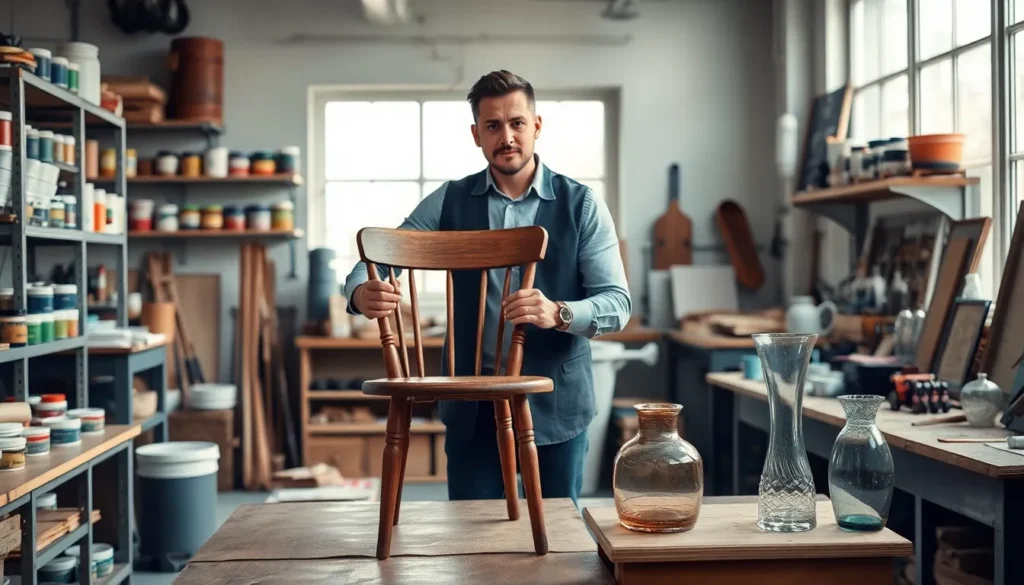
Ever stared at a worn-out object and thought, “There must be a better way than just tossing this into the trash heap?” You’re not alone. Whether it’s a piece of furniture that’s seen better days or an old photo that’s fading faster than your memory of high school, restoration is a hero in disguise. It doesn’t just save your beloved items: it helps save the planet too. In this text, we dive deep into the world of restoration alternatives that are not only effective but also sustainable. So, buckle up, your journey to revive cherished possessions (and the Earth) starts here.
Understanding Restoration: Importance and Benefits

Restoration isn’t just about bringing something back to life: it’s about valuing history and reducing waste. Many people might not realize that the benefits of restoration go beyond aesthetics. For instance, when a furniture piece is restored, not only is the furniture saved, but the resources required to manufacture a new one are spared. This leads to reduced environmental impact and conserves raw materials.
Also, restoration often retains the item’s original craftsmanship. The unique charm of vintage pieces cannot be replicated, and each restored item personifies a story. Not only that, but repair and renovation can also be significantly cheaper than buying new. You get to keep the memories associated with the object while contributing positively to the environment. Who wouldn’t want that?
Also, the growing passion for DIY restoration projects has opened up a whole new realm of creativity. People find joy in taking on projects that not only provide satisfaction but also allow for personalized expression. So, whether fixing up an heirloom chair or bringing a vintage car back to its former glory, restoration is a win-win situation.
Overview of Popular Restoration Alternatives
When it comes to restoration, several methods stand out, each with its own attributes and uses. Here’s a closer look:
Evaluating Restoration Methods
- Traditional Restoration: This often involves professional services that use historical techniques to restore an item. The focus here is authenticity, which can greatly enhance the value of the piece.
- DIY Restoration: For the crafty and resourceful folks out there, DIY methods are quite popular. From watching helpful YouTube tutorials to gathering supplies from local hardware stores, people love to take on these projects themselves.
- Upcycling: This method takes restoration up a notch. Rather than simply restoring an item to its original state, upcycling creatively alters it into something new and functional.
- Repurposing: Sometimes, restoration isn’t about keeping something exactly as it was but figuring out how it can serve a new purpose. Old pallets can become stunning garden furniture, while glass bottles may transform into decorative vases.
Cost Considerations in Restoration Alternatives
Costs can vary widely in the restoration world. Traditional restoration services often come with a hefty price tag due to the expertise involved. On the other hand, DIY projects typically demand a small investment in materials, making it accessible for anyone looking to keep costs down. Upcycling and repurposing can not only save money but also unleash creative potential.
Sustainability and Environmental Impact
In today’s climate-conscious society, sustainability matters more than ever. The restoration alternatives not only re-establish the functionality of items but also contribute positively to environmental health. By choosing restoration, one reduces landfill waste and diminishes carbon footprints associated with manufacturing.
Consider this: every restored item not only saves resources but also cuts down on pollution. It requires significantly less energy to revitalize an existing product than to create a new one. Using eco-friendly materials, like natural paints and sustainable wood, enhances this effect even further.
Also, by opting for restoration rather than disposal, individuals promote a culture of sustainability in their communities. This ripple effect encourages further environmental awareness and responsibility among others.
Case Studies: Success Stories of Restoration Alternatives
Hearing success stories can inspire and motivate many. For example, one small town embarked on a project to restore their local historic buildings. The town’s effort not only revitalized its charm but also led to a boost in tourism, generating significant economic benefits.
Another fascinating case involved a couple who transformed a dilapidated 1950s diner into a trendy café. The community rallied around them, helping with labor and resources, turning the diner restoration into a beloved local project. This method not only salvaged a piece of history but also created a gathering space for locals, nurturing community bonds.
Such cases showcase the profound impact restoration can have, not just on the items themselves but on communities and local economies as well. These success stories are a testament to the potential of restoration alternatives.